Resilience Under Pressure
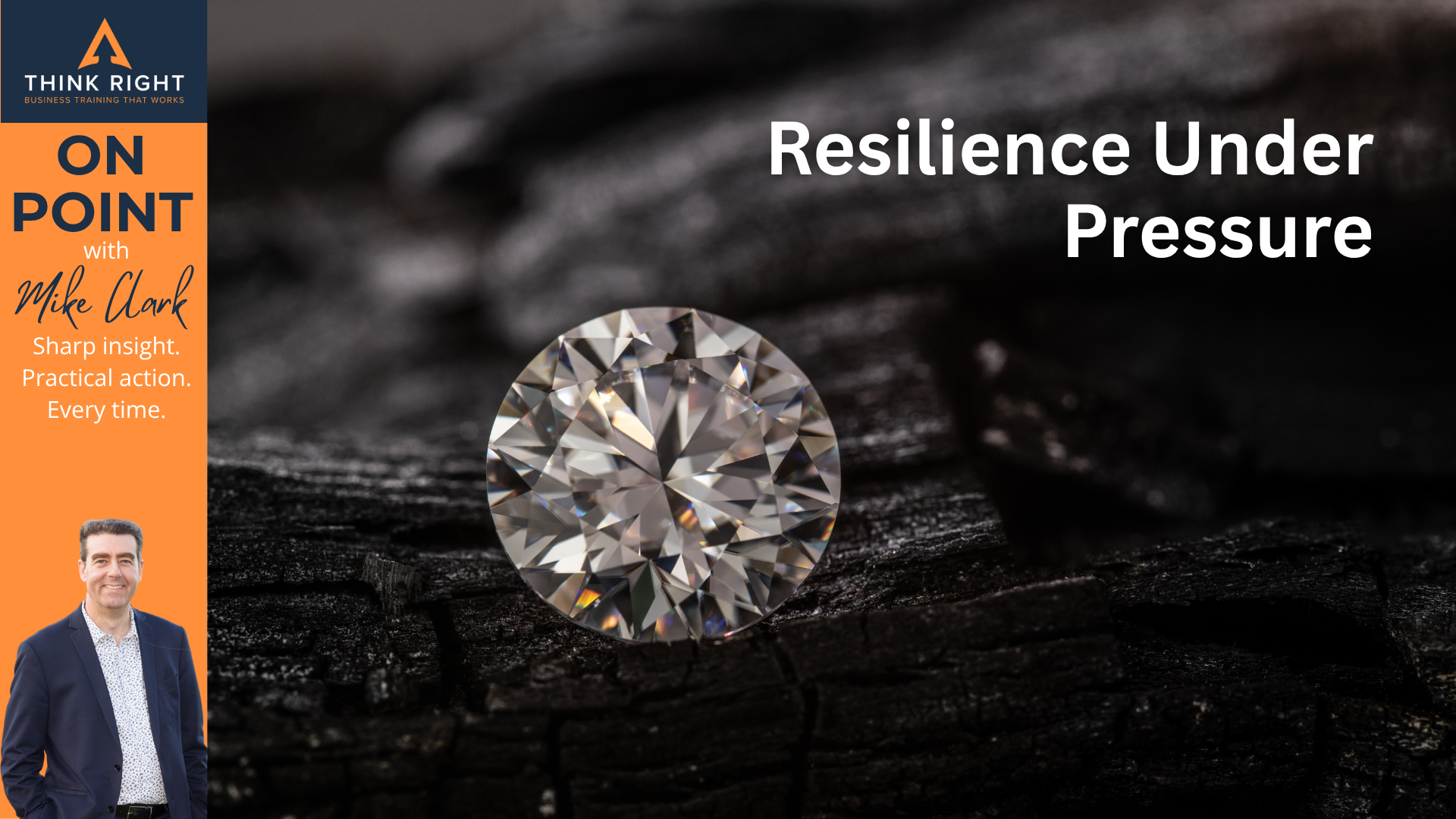
Pressure does not usually create resilience. It reveals what has already been built.
When the pressure comes on, some teams are able to hold their standard. They communicate, adjust, support each other, and keep moving. Other teams start to unravel. Decisions become reactive, small issues become bigger, and people can begin to protect themselves, withdraw, blame, or wait for someone else to fix it.
The difference is not just personality.
Resilience is built through habits, standards, trust, clarity, and preparation - before the pressure arrives. Harvard Business Review notes that team resilience has to be “carefully cultivated by leadership.” Many leaders only start talking about resilience when the team is already under strain, and by then, the habits are already showing.
A resilient team knows what matters when things get difficult. They know how to communicate quickly, what standard must be protected, when to ask for help, when to make a decision, and how to keep the customer and the outcome in view. Those behaviours do not happen by accident.
Leaders build resilience in the ordinary weeks. They build it when they clarify expectations, practise useful feedback, strengthen trust, reduce avoidable confusion, and help people learn from pressure rather than simply survive it. Over time, those habits give the team something to rely on when the pace lifts or the pressure increases.
The signs are often practical. People recover faster. They take responsibility earlier, stay calmer when priorities shift, and keep communicating. They don’t need everything to be perfect before they can act.
Those behaviours are built before the pressure arrives.
A great place to start is to identify one pressure point your team regularly faces. Name what usually happens when that pressure appears, then build a simple response before it happens again. What standard needs to be protected? Who needs to communicate with whom? What decision can be made earlier? What support or resource would help the team respond better? After the pressure passes, take time to review what worked, what broke down, and what needs to be strengthened before next time.
Resilience is not just how people respond under pressure. It is what leaders have helped them build before the pressure arrives.